Winter Driving Safety Tips: Rain, Ice, Snow & Low Sun | ISC
How to Drive Safely in Winter: Rain, Frost, Ice, Snow and Low Sun
Driving safely in winter means preparing your vehicle, planning your journey and adjusting how you drive for each type of weather. In the UK, winter conditions include heavy rain, frost, black ice, snow and low sun, and these can change within a single day. This guide covers the checks to make before you set off and how to drive in each condition.
Road Safety Week runs from 15 to 21 November 2026, with the theme “Safe People on the Move” from the road safety charity Brake.
| Key Takeaways |
|---|
| Stopping distances are at least double on wet roads and can be up to ten times longer on ice. |
| Clear all windows, lights and vehicle sensors before every journey. |
| Use screen wash, not water, as water can freeze on the windscreen. |
| Low winter sun can cause sudden dazzle, especially on wet roads. |
| Around six inches of floodwater can cause a driver to lose control of a small car. |
| After a collision, drivers in the UK have the right to choose their repairer. |
Plan your journey before you set off
Check the weather forecast before every winter journey and leave extra time. Tell someone your route and when you expect to arrive. If severe weather is forecast, think about whether the journey is essential or could be postponed.
Make sure you have full visibility
Clear all frost, ice and snow from the windows, mirrors, lights and roof, and fully demist the windows before driving. Keep the windscreen clean inside and out, because a smeared screen makes glare from low sun and headlights worse.
Clear your vehicle’s sensors and cameras
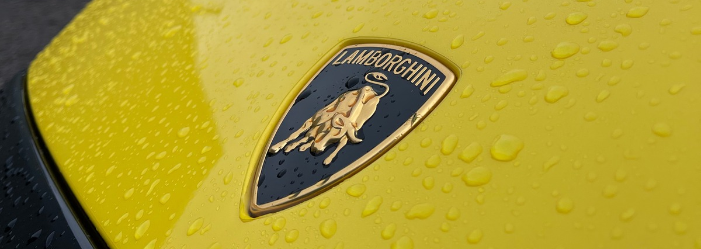
Modern vehicles use cameras, radar and parking sensors for driver assistance systems such as automatic emergency braking and lane keeping assist. These sensors are usually in the bumpers, grille and windscreen. Frost, snow, dirt and road spray can block them and stop the systems working properly.
Winter vehicle checks
- Screen wash: Top up with screen wash rather than water, which can freeze on the windscreen.
- Wipers: Replace any wiper blades that smear or streak.
- Oil: Check the level and top up if needed.
- Lights: Check that all lights work, including fog lights. Only use fog lights when visibility is seriously reduced.
- Tyres: Check tread depth and pressures. The UK legal minimum tread depth for cars is 1.6mm.
What to keep in your car in winter
Tow rope · shovel · boots or wellingtons · hazard warning triangle · de-icing equipment · first-aid kit · torch · blanket and warm clothes · emergency food and a hot drink · sunglasses · mobile phone and portable charger.
How to drive in heavy rain
- Stopping distances are at least double on wet roads, so reduce your speed and increase your following distance.
- Use dipped headlights when visibility is reduced.
- Drop back from larger vehicles to avoid spray.
- If the steering feels light, you may be aquaplaning. Ease off the accelerator, keep the steering straight and avoid braking hard.
How to drive in frost and ice
- Ice forms most often on untreated roads, in shaded areas and on bridges, and it can stay there after other roads have thawed.
- Black ice is difficult to see. If the road looks wet but there is no tyre noise, treat it as icy.
- Stopping distances can be up to ten times longer on ice. Use the highest gear you can and make every input gentle.
How to drive in snow
- Drive slowly and smoothly, and pull away in second gear where your vehicle allows it.
- Leave plenty of space and avoid sudden braking or steering.
- Snow can hide road edges and kerbs, so watch out for pedestrians and cyclists.
How to drive in low winter sun
- Low sun in the morning and late afternoon can dazzle drivers without warning, and glare off wet roads makes it worse.
- Use your sun visor and keep sunglasses in the vehicle.
- If you’re dazzled, slow down, or stop if you need to.
Drive considerately
- Don’t squeeze through tight gaps or overtake when it’s a close call.
- Stay calm around aggressive or careless drivers.
- Give pedestrians extra room, because wet or icy pavements can push them into the road.
Should you drive through floodwater?
Avoid driving through floodwater wherever possible. Around six inches of water is enough to make a driver lose control of a small car, and it can damage the engine or stop the vehicle. If you have no choice, drive through slowly in a low gear and test your brakes once you’re out.
What to do after a winter collision
Make sure everyone is safe first. In the UK, you have the right to choose who repairs your vehicle, and your insurer cannot require you to use its network bodyshop.
Individual Specialist Cars repairs vehicles to manufacturer standards using genuine parts, including recalibrating driver assistance systems after a repair. If you contact us first, we take the stress off you by liaising with your insurer and any accident management company involved, and we keep you updated throughout the repair.
FREQUENTLY ASKED QUESTIONS
How much longer are stopping distances in winter?
Stopping distances are at least double on wet roads and can be up to ten times longer on ice than on dry roads.
Should I use water or screen wash in winter?
Use screen wash. Plain water can freeze on the windscreen in cold weather and reduce visibility.
When should I use fog lights?
Use fog lights only when visibility is seriously reduced, and switch them off when it improves so you don’t dazzle other drivers.
How deep does floodwater need to be to be dangerous?
Around six inches of water can cause a driver to lose control of a small car and can damage the engine.
Can snow or dirt affect my car’s safety systems?
Yes. Driver assistance systems rely on cameras, radar and sensors, which may not work properly if they’re covered by snow, frost, dirt or road spray.
Can I choose where my car is repaired after an accident?
Yes. UK drivers have the right to choose their repairer, even if their insurer recommends a network bodyshop.